:+86 15106109009
:sales@couplingzy.com

 cs
cs


Stabilita kovových pružných spojek v prostředí s extrémními teplotami
Kovové elastické spojky zaujímají zřetelnou pozici v mechanickém přenosu síly: na rozdíl od pružných spojek na bázi polymerů, jejichž výkon je pevně vázán na úzké tepelné okno, kovové elastické spojky odvozují svou poddajnost z řízené deformace kovových prvků – talířových pružin, listových pružin, membrán, vlnovců nebo hadovitých ohybů. Tato celokovová konstrukce jim poskytuje zásadní tepelnou výhodu. Teplotní extrémy však kladou složité a často protichůdné požadavky na vlastnosti materiálu, rozměrovou stabilitu, únavové chování a stav povrchu. Pochopení toho, jak kovové elastické spojky reagují na tyto požadavky, je nezbytné pro inženýry, kteří specifikují pohonné systémy v letectví, kryogenním zpracování, výrobě oceli, plynových turbínách a v jakékoli aplikaci, kde se okolní podmínky podstatně odchylují od standardních návrhových základů pro pokojovou teplotu.
Co definuje kovovou elastickou spojku
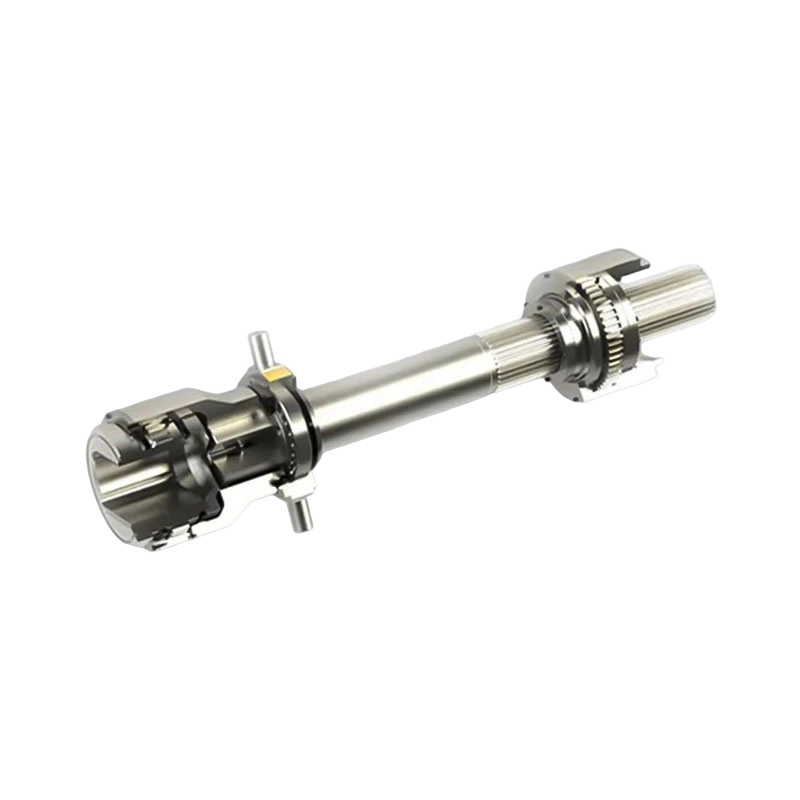
Kovová elastická spojka přenáší krouticí moment mezi hnací hřídelí a hnanou hřídelí prostřednictvím pružné deformace jednoho nebo více kovových pružných prvků spíše než prostřednictvím tuhého mechanického kontaktu nebo polymerové vložky. Pružný prvek současně plní tři funkce: přenáší přenášený krouticí moment, přizpůsobuje se relativnímu vychýlení hřídele prostřednictvím řízeného ohybu a poskytuje určitý stupeň torzní poddajnosti, který filtruje kolísání rychlosti a tlumí dynamické zatížení.
Hlavní rodiny kovových elastických spojek, se kterými se setkáváme v průmyslové a letecké praxi, jsou:
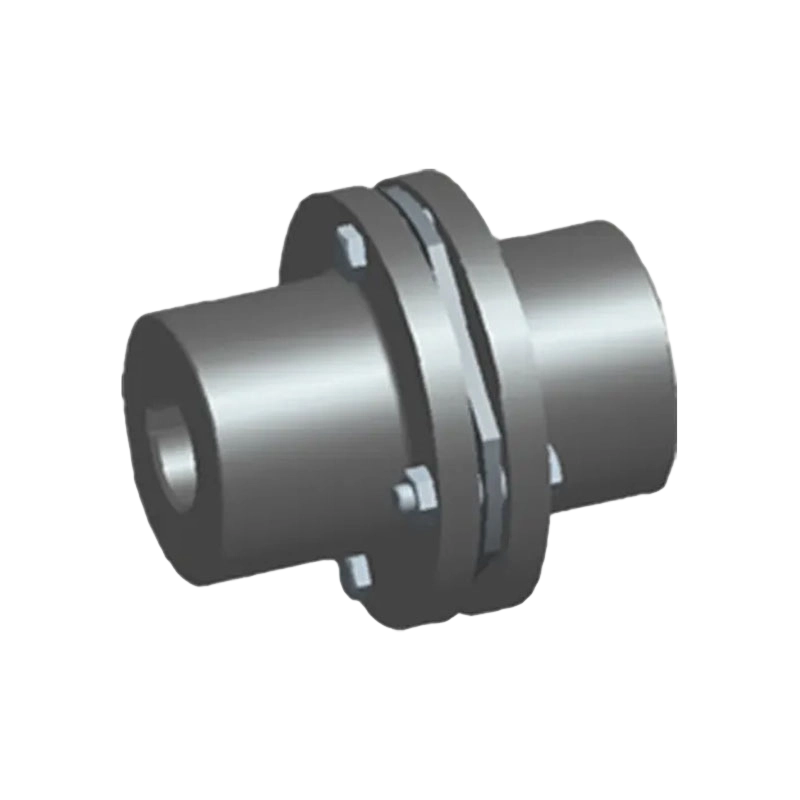
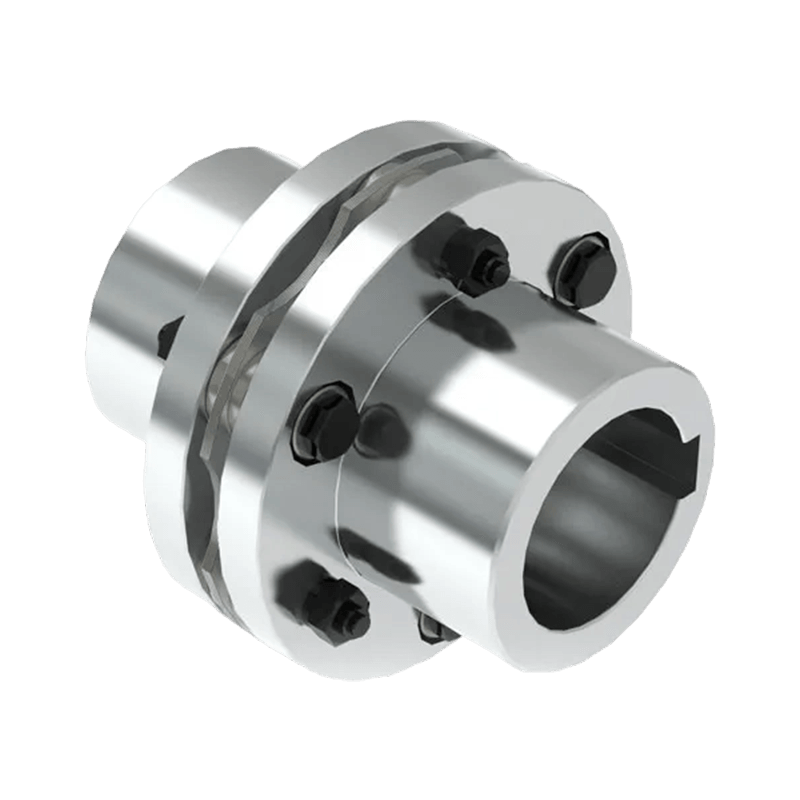
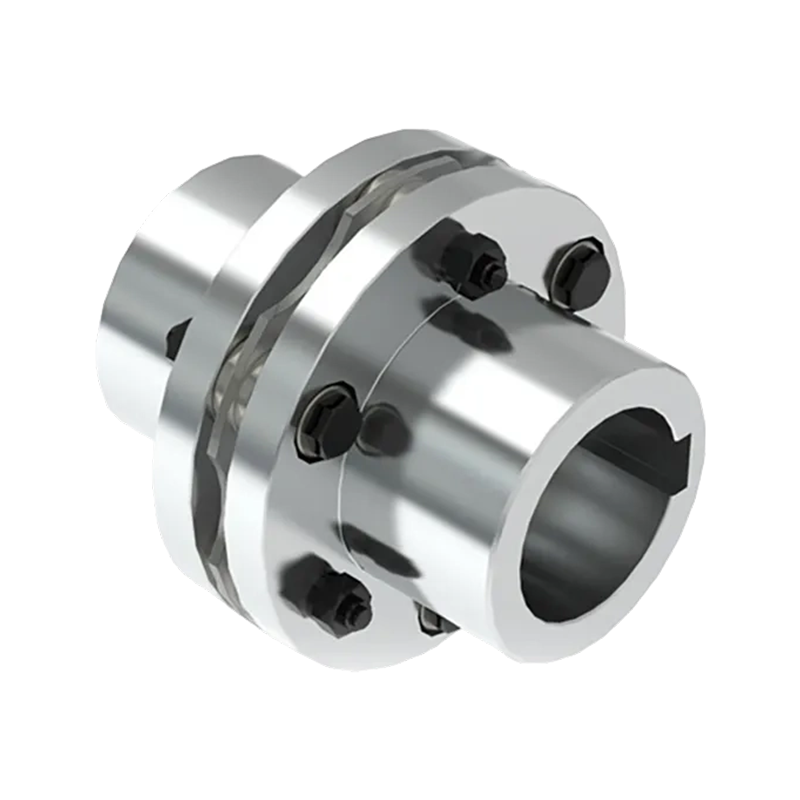
- Disk-pack spojky: Tenké kruhové lamelové kotouče, obvykle z nerezové oceli nebo precipitačně kalené slitiny, přišroubované střídavě k hnací a hnané přírubě. V balení kotoučů dochází k ohybu, protože se přizpůsobuje úhlovému a axiálnímu vychýlení.
- Membránové spojky: Jedna nebo více tvarovaných prstencových membrán, často z titanové slitiny nebo vysoce legované oceli, které se ohýbají, aby se přizpůsobily nesouososti při přenosu vysokého točivého momentu s velmi nízkou vůlí. Široce se používá v turbosoustrojích a vysokorychlostních kompresorových vlacích.
- Vlnovcové spojky: Tenkostěnná, vlnitá kovová trubka – typicky austenitická nerezová ocel nebo Inconel – která poskytuje torzní tuhost pro přenos točivého momentu a zároveň se ohýbá axiálně a laterálně, aby kompenzovala nesouosost. Běžné v aplikacích přesného serva a kodéru.
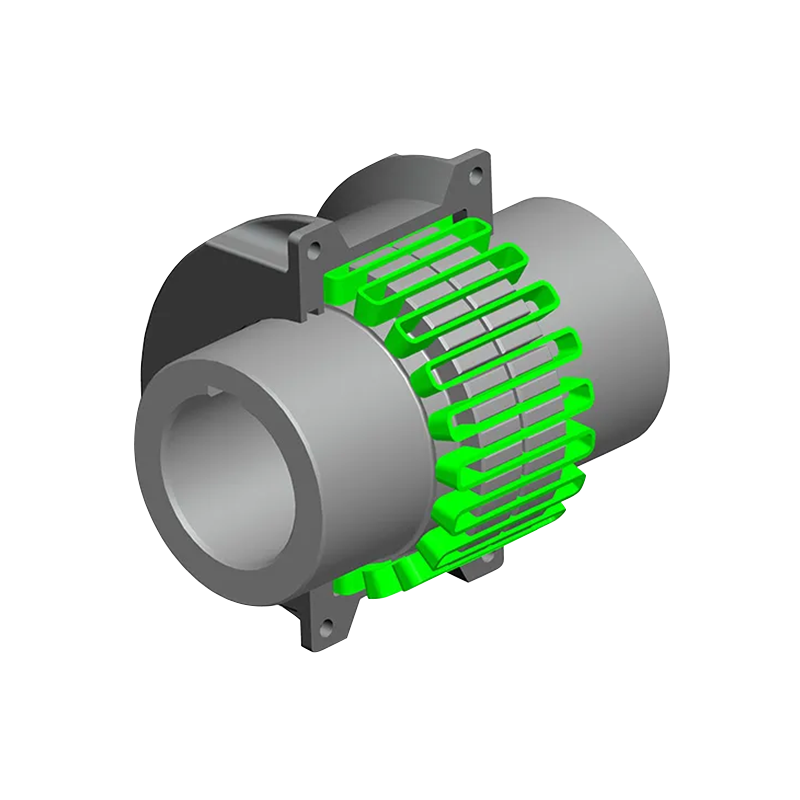
- Spojky listové pružiny (hadovité): Sinusové nebo hadovité kovové pásy proložené mezi dvěma přírubami náboje. Pružinové pásy se pod zatížením ohýbají a zajišťují torzní poddajnost a přizpůsobení se nesouososti.
Všechny tyto návrhy sdílejí definující charakteristiku, že jejich výkon závisí na mechanickém chování kovového elastického prvku – což je závislost, díky níž jsou změny vlastností materiálu vyvolané teplotou ústředním problémem v aplikacích v extrémním prostředí.
Tepelné účinky na kovové elastické prvky
Teplota ovlivňuje chování kovové elastické spojky prostřednictvím několika simultánních a vzájemně se ovlivňujících mechanismů. Pochopení každého mechanismu jednotlivě je předpokladem pro hodnocení celkové stability spojky v širokém teplotním rozsahu.
Změny v modulu pružnosti
Modul pružnosti kovu – poměr napětí k deformaci v lineární elastické oblasti – klesá, když teplota stoupá, a zvyšuje se, když teplota klesá. Pro austenitické nerezové oceli běžně používané v kotoučových a vlnovcových spojkách je modul pružnosti při 500 °C typicky o 15–18 % nižší než při pokojové teplotě, zatímco při –200 °C může být o 10–12 % vyšší. Toto posunutí přímo ovlivňuje torzní tuhost spojky: disková sada nebo membrána, která poskytuje definovanou úhlovou tuhost při 20 °C, bude měřitelně měkčí při zvýšené teplotě a tužší v kryogenním provozu.
Praktickým důsledkem je posun torzní vlastní frekvence hnacího systému. Pokud byl systém vyladěn při pokojové teplotě tak, aby jeho rezonanční frekvence byla umístěna bezpečně mimo provozní budicí frekvence, významná změna modulu při provozní teplotě může přiblížit tuto rezonanci provozní rychlosti s potenciálně škodlivými důsledky. Tepelná korekce výpočtů torzní vlastní frekvence je proto povinná pro systémy pracující mimo rozsah okolních teplot.
Tepelná roztažnost a změna rozměrů
Kovové součásti se při zahřívání roztahují a při ochlazování smršťují úměrně jejich koeficientu tepelné roztažnosti (CTE) a změněným teplotám. U kovové elastické spojky to ovlivňuje:
- Vhodné pro vrtání a hřídel: Přesahující uložení dimenzované při pokojové teplotě se může při zvýšené teplotě uvolnit, pokud se hřídel a náboj roztahují různými rychlostmi – což je kritický problém, když jsou kombinovány různé kovy, jako je titanový membránový náboj na ocelovém hřídeli.
- Předpětí šroubu: Pokud jsou pružný prvek a šrouby, které jej upínají, z různých materiálů s různými CTE, může tepelné cyklování změnit předpětí šroubu, a to buď snížením upínací síly (rizikové prokluzování pod kroutícím momentem), nebo zvýšením na úrovně, které namáhají přírubu nebo kotouč.
- Axiální poloha připojených strojů: Tepelný růst dlouhých hřídelí a pouzder generuje axiální posuv, kterému se musí spojka přizpůsobit. Axiální únosnost pružného prvku musí být ověřena proti skutečnému nárůstu teploty v celém rozsahu provozních teplot.
Když sestava spojky překlenuje významný teplotní gradient – například spojka spojující hřídel horké turbíny s chladnější převodovkou – rozdílná tepelná roztažnost podél osy spojky vytváří trvalé axiální zatížení který překrývá dynamické zatížení z přenosu točivého momentu a kompenzace nesouososti.
Mez kluzu a únavové vlastnosti
Únavová životnost kovového elastického prvku se řídí amplitudou cyklického napětí vzhledem k meze odolnosti materiálu. Jak mez kluzu, tak mez únavy konstrukčních kovů jsou závislé na teplotě:
- v zvýšené teploty mez kluzu a meze únosnosti se snižují. Sada disků navržená s pohodlnou mezí únavy při pokojové teplotě může vykazovat cyklické namáhání, které se blíží nebo překračuje limit odolnosti materiálu při zamýšlené provozní teplotě, což výrazně snižuje životnost.
- v kryogenní teploty Většina vysokolegovaných ocelí a slitin titanu si zachovává nebo mírně zlepšuje svou pevnost v tahu a mez kluzu. Některé materiály – zejména uhlíkové oceli a určité feritické korozivzdorné oceli – však pod kritickou teplotou podléhají přechodu z tažného na křehký, po kterém může dojít k lomu při úrovních napětí hluboko pod nominální mezí kluzu. Výběr materiálů s dobrou kryogenní houževnatostí (vysoká energie Charpyho nárazu při minimální provozní teplotě) je základním konstrukčním požadavkem pro spojky v nízkoteplotním provozu.
Creep a stresová relaxace
Při teplotách nad přibližně 30–40 % absolutního bodu tání kovu (práh tečení) způsobuje trvalé napětí pomalou, časově závislou plastickou deformaci známou jako tečení. U ocelí se tečení stává prakticky významným nad přibližně 400–450 °C; u niklových superslitin je práh podstatně vyšší.
V kovové elastické spojce pracující při zvýšené teplotě vede tečení v pružném prvku nebo v upínacích šroubech k relaxace stresu — postupné snižování elastického napětí, které bylo přítomno při montáži. Šroubové spoje mohou ztratit předpětí; sady disků mohou mít trvalou sadu; diafragmy mohou vykazovat trvalé úhlové posunutí. Výsledkem je spojka, která již nefunguje tak, jak byla navržena, se změněnou tuhostí, sníženou únavovou životností a potenciálně sníženou kapacitou točivého momentu. Pro aplikace nad prahem tečení standardních slitin musí být spojovací materiály vybrány z vysokoteplotních jakostí s prokázanou odolností proti tečení, jako je precipitačně tvrzený Inconel nebo Waspaloy.
Oxidace a povrchová degradace
Při vysokých teplotách v oxidačních atmosférách může povrch kovových elastických prvků tvořit oxidové šupiny. U většiny nerezových ocelí a slitin niklu se vytváří ochranná přilnavá vrstva oxidu, která omezuje další oxidaci. Opakované tepelné cykly však mohou způsobit odlupování této vrstvy, obnažení čerstvého kovu a způsobující progresivní degradaci povrchu. Povrchové důlky, tvorba okují a mezikrystalová oxidace snižují účinný průřez tenkých kotoučových nebo měchových prvků a působí jako místa koncentrace napětí, která iniciují únavové trhliny. Povlaky, povrchové úpravy nebo použití slitin přirozeně odolných vůči oxidaci jsou důležitými ochrannými opatřeními pro spojky vystavené vysokoteplotnímu oxidačnímu prostředí.
Chování v prostředí s vysokou teplotou
Vysokoteplotní aplikace pro kovové elastické spojky zahrnují pohony příslušenství motorů plynových turbín, spojky generátorů parních turbín, hlavní pohony válcoven za tepla, pohony dopravníků průmyslových pecí a petrochemické kompresorové soupravy. V těchto prostředích může být spojka vystavena trvalým teplotám od 250 °C do výrazně nad 600 °C, přičemž tepelné cykly se překrývají během spouštění a vypínání.
Výběr materiálu pro vysokoteplotní služby
Výběr materiálu pružného prvku je nejkritičtějším konstrukčním rozhodnutím pro vysokoteplotní spojku. Materiály jsou hodnoceny podle několika kritérií:
- Precipitačně kalené nerezové oceli (17-4 PH, 15-5 PH): Nabízí dobrou kombinaci pevnosti, střední teplotní schopnosti (do přibližně 300-350 °C) a odolnosti proti korozi. Široce se používá ve spojkách disk-pack pro aplikace kompresorů a čerpadel.
- Austenitické nerezové oceli (316L, 321, 347): Lepší odolnost proti oxidaci za vysokých teplot než precipitačně kalené druhy, s použitelnou pevností do přibližně 500–550 °C. Stabilizované druhy 321 a 347 odolávají senzibilizaci a mezikrystalové korozi po dlouhodobém vystavení vysokým teplotám.
- Superslitiny na bázi niklu (Inconel 718, Waspaloy): Zachování vysoké pevnosti a odolnosti proti tečení do 650 °C a více. Používá se v nejnáročnějších vysokoteplotních spojkách turbosoustrojí, kde standardní nerezové oceli nestačí.
- Titanové slitiny (Ti-6Al-4V): Nabízí vysokou specifickou pevnost a dobrou odolnost při zvýšených teplotách do přibližně 300 °C v kombinaci s nízkou hustotou, která minimalizuje rotační setrvačnost. Používá se v letectví a ve vysokorychlostních turbínových membránových spojkách, kde je omezením hmotnost.
Úvahy o mazání při vysoké teplotě
Kovové elastické spojky are generally designed to operate without lubrication at the flexible element — the flexure is intended to be a clean elastic deformation, not a sliding contact. However, the hub bores, keyways, and fastener threads in high-temperature couplings require anti-seize compounds or high-temperature thread lubricants to prevent galling and to ensure that the coupling can be disassembled for inspection without damaging the mating surfaces. Standard molybdenum disulfide (MoS₂) paste is widely used up to approximately 450°C; copper-based anti-seize compounds extend protection to higher temperatures.
Tepelná bariéra a izolační strategie
Tam, kde spojka spojuje velmi horký stroj se strojem při okolní teplotě, může vedení tepla podél hřídele a skrz spojku zvýšit teplotu komponentů po proudu nad jejich konstrukční limity. Do spojovacího distančního prvku lze začlenit tepelné bariéry – obvykle krátká část ze slitiny s nízkou vodivostí nebo keramikou potažená distanční trubka k omezení toku tepla. V některých instalacích se používají ochranné kryty spojky s nuceným oběhem nebo vodou chlazené k udržení samotné spojky v rozsahu provozních teplot.
Chování v kryogenních prostředích
Kryogenní aplikace pro kovové elastické spojky zahrnují pohony kompresorů zařízení na kapalný zemní plyn (LNG), pohony čerpadel na kapalný kyslík a kapalný dusík, supravodivé magnetické systémy, pohony čerpadel na pohonné hmoty pro letectví a kosmonautiku a zkušební zařízení v kryogenním aerodynamickém tunelu. Provozní teploty v těchto prostředích se pohybují od –50 °C do –269 °C (teplota kapalného helia).
Houževnatost materiálu a přechod z tažnosti na křehkost
Prvořadým materiálovým problémem při konstrukci kryogenní spojky je lomová houževnatost. Uhlíkové oceli a standardní feritické nerezové oceli procházejí při nízkých teplotách přechodem z tažného na křehký lom. Pod teplotou přechodu mohou tyto materiály náhle selhat při úrovních napětí hluboko pod jejich nominální mezí kluzu. Austenitické nerezové oceli (304L, 316L) a většina slitin na bázi niklu tento přechod nevykazují — zůstávají houževnaté a tvárné až do teplot kapalného helia, což z nich činí standardní volbu materiálů pro kryogenní flexibilní prvky.
Titanové slitiny si také zachovávají přiměřenou houževnatost při kryogenních teplotách, i když musí být hodnoceny na vodíkovou křehkost v aplikacích zahrnujících kapalný vodík.
Zvýšená tuhost při nízké teplotě
Jak bylo uvedeno výše, modul pružnosti kovových materiálů se zvyšuje při kryogenních teplotách. Vlnovcová nebo kotoučová spojka, která byla navržena pro specifickou torzní tuhost při pokojové teplotě, bude měřitelně tužší při –196 °C. Toto zvýšení tuhosti posouvá torzní vlastní frekvenci hnacího systému nahoru a mění dynamické rozložení zatížení v systému. Torzní analýza hnacího ústrojí by měla být provedena za teplých i studených provozních podmínek, aby se potvrdilo, že v celém tepelném provozním rozsahu nevznikají žádné kritické rezonance.
Tepelná kontrakce a fit management
Kovové součásti se při kryogenních teplotách smršťují. U vrtání náboje namontovaného na hřídel interferencí je kontrakce ve směru, který zvyšuje interferenci – kryogenní podmínky obecně utahují uložení hřídele spíše než je povolují. Nicméně, když se kombinují různé kovy s různými koeficienty tepelné roztažnosti diferenciální kontrakce může produkovat velmi vysoká napětí na rozhraní. Je vyžadován pečlivý výběr rozměrů uložení a kombinací materiálů, ověřený výpočty tepelného namáhání, aby bylo zajištěno, že v rozsahu provozních teplot nedojde k uvolnění ani k povolení spoje s přesahem.
Odstranění požadavků na mazání
Významnou provozní výhodou kovových elastických spojek v kryogenním provozu je jejich vlastní absence požadavků na mazání na ohebném prvku. Konvenční tukem mazané spojky – jako jsou ozubené spojky – nelze použít v kryogenním prostředí, protože maziva tuhnou při nízkých teplotách a způsobují zadření. Celokovový ohyb kotoučových, membránových nebo vlnovcových spojek bez mazání je proto praktickou nezbytností v mnoha aplikacích kryogenních pohonů, kromě toho, že je výkonnostní výhodou.
Tepelné cyklování: Kumulativní efekty a únavová interakce
Mnoho aplikací pro extrémní teploty nezahrnuje trvalý ustálený provoz při jediné teplotě – místo toho dochází u spojky k opakovaným tepelným cyklům, když se systém spouští ze studeného stavu, dosahuje provozní teploty a znovu se vypíná. Každý tepelný cyklus superponuje cyklus tepelného namáhání na stávající stav mechanického namáhání pružného prvku.
Tepelná únava – iniciace a šíření trhlin vyvolané cyklickým tepelným namáháním – je odlišná od mechanické únavy, ale spolupůsobí s ní. Celkové únavové poškození akumulované pružným prvkem je součtem příspěvků cyklů mechanického zatížení (kolísání krouticího momentu, cykly ohybu vyvolané nesouosostí) a cyklů tepelného namáhání. V aplikacích s častým tepelným cyklováním může být příspěvek tepelné únavy srovnatelný nebo větší než příspěvek mechanické únavy , a obojí musí být zahrnuto do hodnocení životnosti.
Tepelné cyklování také pohání progresivní rozměrovou změnu prostřednictvím rohatky – akumulace malých přírůstků plastické deformace s každým cyklem – a prostřednictvím rozdílného roztahování a smršťování šroubových spojů, které mohou v průběhu času měnit předpětí. Pravidelné dotahování upevňovacích prvků a kontrola trvalé deformace pružných prvků jsou proto standardními postupy údržby spojek v tepelně cyklickém provozu.
Srovnávací výkon typů kovových elastických spojek v provozu při extrémních teplotách
Níže uvedená tabulka shrnuje vhodnost čtyř hlavních typů kovových elastických spojek pro vysokoteplotní a kryogenní provoz spolu s jejich klíčovými výkonnostními charakteristikami souvisejícími s teplotou.
| Typ spojky | Typický materiál Flex Element | Limit vysoké teploty (přibližně) | Kryogenní vhodnost | Mazání u Flex Element | Primární teplota |
|---|---|---|---|---|---|
| Disk-Pack spojka | 17-4 PH SS, 316L SS, Inconel 718 | 300–600 °C (závisí na materiálu) | Dobré (austenitické stupně) | Není vyžadováno žádné | Únava disku při sníženém limitu odolnosti; ztráta předpětí šroubu |
| Membránová spojka | Ti-6Al-4V, 15-5 PH SS, Waspaloy | 300–650 °C (závisí na materiálu) | Dobrý (slitina Ti, austenitické SS) | Není vyžadováno žádné | Tečení v membráně při vysoké teplotě; zvýšení tuhosti při nízké teplotě |
| Vlnovcová spojka | 316L SS, Inconel 625 | 450–600 °C | Vynikající (austenitické SS, Inconel) | Není vyžadováno žádné | Ztenčení stěn z oxidace; koncentrace cyklického napětí na vlnách |
| Listová pružina (serpentinová) spojka | Pružinová ocel, 17-7 PH SS | 250–350 °C | Střední (zkontrolujte křehký přechod) | Není vyžadováno žádné | Pružina nastavená na zvýšenou teplotu; snížená únavová životnost |
Konstrukční úvahy pro systémy spojek pro extrémní teploty
Specifikace kovové elastické spojky pro provoz v tepelně náročném prostředí vyžaduje strukturovaný technický přístup, který daleko přesahuje standardní výpočty krouticího momentu a nesouososti při pokojové teplotě.
Teplotně korigovaná torzní analýza
Torzní tuhost spojky a torzní vlastní frekvence kompletního hnacího ústrojí se musí vypočítat při skutečné provozní teplotě, přičemž se zohlední změna modulu materiálu pružného prvku. Pokud pohonný systém během spouštění prochází rozsahem otáček, zatímco je spojka ještě studená, musí být také zkontrolována vlastní frekvence za studena, aby se potvrdilo, že během přechodového jevu nejsou vybuzeny kritické rezonance.
Posouzení únavové životnosti při provozní teplotě
Amplituda cyklického napětí v pružném prvku musí být vyhodnocena vůči mezní odolnosti materiálu při provozní teplotě, nikoli při pokojové teplotě. Publikované údaje o únavě pro kandidátské materiály při zamýšlené provozní teplotě by měly být získány od dodavatele materiálu nebo ze zavedených konstrukčních odkazů. Bezpečnostní faktor únavy alespoň 1,5 až 2,0 na amplitudě napětí, vztažený k limitu odolnosti při vysokých teplotách, je běžně používaným kritériem návrhu.
Ověření tepelného růstu a axiální kapacity
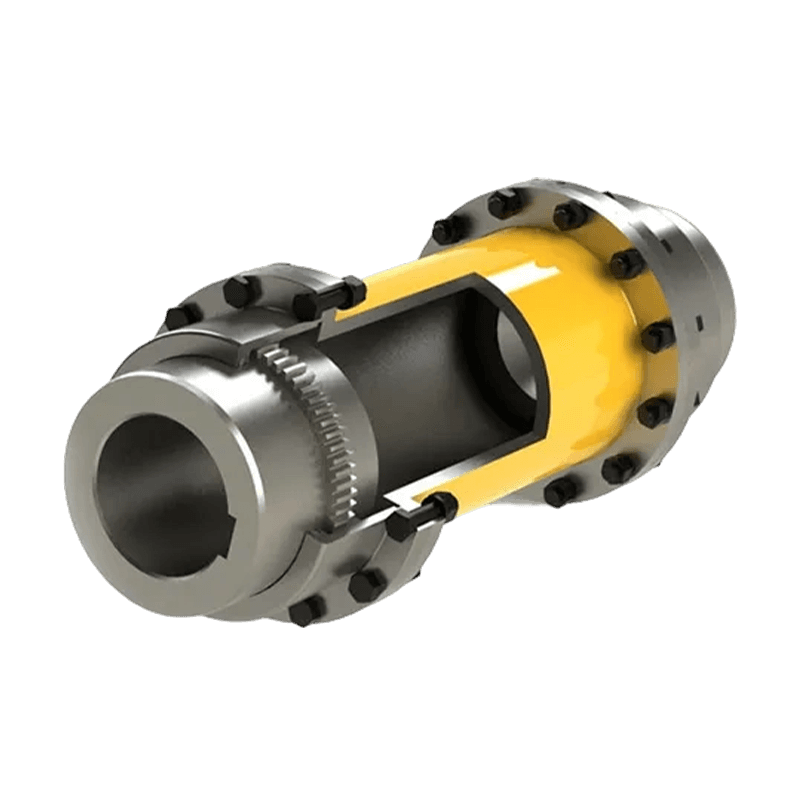
Celkové axiální posunutí, které musí spojka pojmout, by se mělo vypočítat z tepelného růstu každého připojeného stroje v celém jeho rozsahu provozních teplot. Axiální nosnost pružného prvku musí překročit toto vypočtené posunutí s přiměřenou rezervou. Tam, kde je tepelný růst velký, může být zapotřebí spojka s plovoucím hřídelem (distanční vložka) se dvěma pružnými prvky – jedním na každém konci – k rozložení axiálních a úhlových požadavků mezi dvě roviny ohebnosti.
Kompatibilita materiálu a spojovacího materiálu
Všechny materiály v sestavě spojky – náboj, ohebný prvek, šrouby a všechny distanční součásti – by měly být vyhodnoceny z hlediska kompatibility v tepelném prostředí. Zvláštní pozornost by měla být věnována:
- Součinitel tepelné roztažnosti přizpůsobený mezi nábojem a pružným prvkem, aby se zabránilo nadměrnému rozdílovému růstu při provozní teplotě.
- Výběr materiálu upevňovacího prvku pro udržení dostatečného předpětí šroubu v celém teplotním rozsahu; vysokolegované šroubové materiály (A286, Inconel 718) se používají ve vysokoteplotních aplikacích pro minimalizaci ztrát předpětí.
- Galvanická kompatibilita, když jsou různé kovy v kontaktu za přítomnosti vlhkosti při středních teplotách.
Strategie inspekce a monitorování
Kovové elastické spojky in extreme thermal service should be subject to a defined inspection protocol. Key inspection activities include:
- Vizuální a rozměrová kontrola pružných prvků při každé generální opravě na známky trvalé deformace, praskání povrchu, poškození oxidací nebo koroze.
- Nedestruktivní zkoumání (penetrační barvivo nebo magnetická kontrola částic u železných materiálů; fluorescenční penetrant u neželezných) vysoce namáhaných zón pružných prvků, zejména otvorů pro kotoučové šrouby a přechodů otvorů membrány.
- Ověření předpětí šroubu kontrolou utahovacího momentu nebo měřením prodloužení šroubu po prvním tepelném cyklu a následně v definovaných intervalech.
- Monitorování vibračních charakteristik během provozu pro detekci změn torzní vlastní frekvence, které mohou indikovat změněnou tuhost spojky v důsledku degradace materiálu nebo trvalého ztuhnutí.
Postupy údržby pro tepelně náročné aplikace
Životnost kovové elastické spojky v prostředí s extrémními teplotami je silně ovlivněna kvalitou a důsledností programu údržby, který je na ni aplikován. Jako součást strukturovaného plánu údržby se doporučují následující postupy:
- Vytvořte protokol tepelného cyklu: Zaznamenávejte počet tepelných cyklů (spouštění a odstavování) nashromážděných každou spojkou v aplikacích s vysokým počtem cyklů, jako jsou například jednotky s plynovými turbínami. Tato data použijte ke sledování akumulované spotřeby únavy v porovnání s návrhovou životností flexibilního prvku.
- Aplikujte prostředky proti zadření na všechny spojovací prvky: Použijte směs určenou pro maximální očekávanou provozní teplotu. Aplikujte znovu při každé demontáži, abyste zabránili zadření a zajistili, že vztahy mezi kroutícím momentem a napětím spojovacího prvku zůstanou předvídatelné.
- Ověřte vyrovnání spojky při provozní teplotě: Kde je to možné, zkontrolujte vyrovnání hřídele se strojem při jeho normální provozní teplotě, protože tepelný růst pouzder a podpěr může způsobit nesouosost, která se nevyskytuje ve stavu vyrovnání za studena.
- Nahraďte flexibilní prvky podle plánu založeného na stavu nebo s omezenou životností: Pro aplikace kritické z hlediska bezpečnosti stanovte životnost flexibilních prvků na základě akumulovaných provozních hodin a tepelných cyklů a vyřaďte je před tímto limitem bez ohledu na zdánlivý stav.
- Náhradní pružné prvky správně skladujte: Diskové sady, membrány a měchy by měly být skladovány v suchém, čistém prostředí bez mechanického poškození. Dokonce i drobné povrchové škrábance nebo promáčkliny na tenkých pružných prvcích mohou působit jako místa vzniku únavy a měly by být důvodem k zamítnutí před instalací.
- Rychlé odkazy
- About
- Products
- Our Service
- News & Events
- Contact
- Řada produktů
- Pružné spojky s neelastickými prvky
- Pružné spojky s kovovými elastickými prvky
- Pružné spojky s nekovovými elastickými prvky
- Bezpečnostní spojka
- Pevná spojka
- Kontaktujte nás
- Tel : +86 511 8572 3800 +86 511 8572 3900
- Mobile : +86 15106109009
- Email : sales@couplingzy.com
- Add:No.1 Zhongye Yingbin Avenue, Gaozi Street, Dantu Economic Development Zone, Zhenjiang City, provincie Jiangsu, Čína.


